
Most muscle tears can heal on their own, as long as the tear is mild to moderate and you look after it properly. A mild tear often settles in a few weeks. A bigger tear takes longer, and a complete rupture usually needs medical care. What makes the biggest difference is what you do in the first few days and how carefully you return to activity.
Can a Torn Muscle Heal on Its Own?
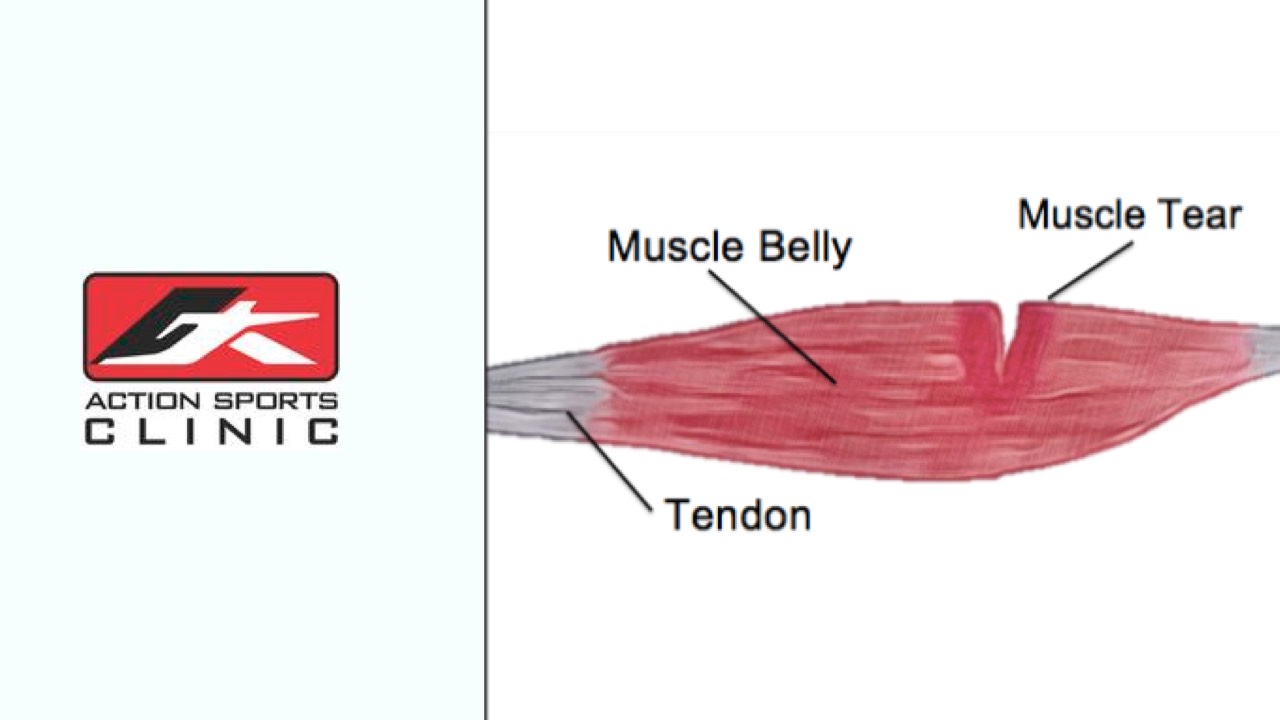
Muscle is well supplied with blood, so it repairs itself better than tendons or ligaments do. After a tear, the body clears the damaged tissue and lays down new fibres that slowly reattach and strengthen. Doctors and physiotherapists usually grade muscle tears by how many fibres are involved:
- Grade 1 (mild): a small number of fibres are damaged. You can usually walk or move with some discomfort. Healing often takes a few weeks.
- Grade 2 (moderate): a partial tear with noticeable pain, swelling, bruising and loss of strength. Healing commonly takes around 4 to 8 weeks.
- Grade 3 (severe): a complete tear or rupture. This is more likely to need a surgical opinion, and recovery is measured in months.
These are general ranges. Healing time depends on the muscle involved, your age, your activity level and how well the early weeks are managed. If you are not sure how bad your tear is, a physiotherapist can assess it and give you a realistic timeline.
Heat or Ice for a Torn or Pulled Muscle?
In the first 48 to 72 hours, skip the heat. Heat can increase swelling and bleeding in the injured area. Cold, compression and elevation are the usual first steps to settle pain and swelling. Once the initial swelling has calmed down, gentle warmth can help ease stiffness before you move or stretch. If you are not sure which stage you are in, ask a physiotherapist.
Seek Medical Care Quickly If…
- You felt or heard a pop or snap when the injury happened
- You cannot put weight on the leg or use the arm normally
- There is a visible dent, gap or lump in the muscle
- Swelling or bruising is severe or spreading
- You have numbness, tingling or colour changes below the injury
The Four Biggest Mistakes You Can Make After a Muscle Tear
In the period following a muscle tear, there are a few mistakes we see people make that can make the injury worse and delay healing. Here are the most common.
1. Stretching too early or too hard
After a muscle tear, the damaged fibres slowly begin to heal and reattach to each other. This process is fragile, and during the early stages aggressive stretching of recovering tissue can impair healing or even lead to more tearing. Gentle stretching a few days after the injury can have a positive effect, but check with your physiotherapist to make sure you are not stretching too far.
2. Applying H.A.R.M.
Most of us know the acronym R.I.C.E. (rest, ice, compression, elevation) as the recommended first-aid approach in the early stages of an acute injury. The acronym H.A.R.M. is less well known and helps you remember what not to do: Heat, Alcohol, Running and Massage. All of these can increase swelling and pain, and can increase the damage in the first 48 to 72 hours.
3. Failing to see a physiotherapist
The diagnosis of a muscle tear might seem straightforward, but there can be more going on than you realize. Many conditions can mimic a muscle tear, or you may have torn the muscle because of an underlying weakness. Having a physiotherapist confirm your muscle tear, or identify another condition, is vital to recovering fully. A physiotherapist can also spot the factors that could lead to another injury and help restore your tissue to its previous level.
4. Returning to sport too early
One of the most confusing things about muscle tears is that they often become less painful while the tissue is still not completely healed. Many people tear the muscle again simply because they returned to sport too soon. Even if you feel back to full strength, the fibres can still be vulnerable. Test your injury gradually, starting with gentle exercise and building up to high-intensity activity. Our return-to-sport rehab is built for exactly this stage.
When to See a Physiotherapist in Calgary
If you think you have torn a muscle, getting it assessed early lets us confirm the grade of the tear, set up a safe loading and recovery plan, and tell you when it is safe to go back to your sport. You do not need a referral. Our team at Action Sports Clinic is in downtown Calgary (639 5th Ave SW) and we direct bill most extended health plans for treatment appointments.
Request an appointment or call (403) 263-2225. You can also read about our physiotherapy services.
Frequently Asked Questions
Can a torn muscle heal on its own?
Mild and moderate muscle tears usually do heal without surgery if they are protected early and rehabilitated gradually. A complete rupture, or a tear that is not improving, should be assessed by a medical professional.
How long does a torn muscle take to heal?
A mild tear often heals in a few weeks, a moderate tear in roughly 4 to 8 weeks, and a severe tear can take months. Returning to sport before the muscle is ready is the most common reason recovery takes longer than expected.
Is a pulled muscle the same as a torn muscle?
Pulled, strained and torn muscle all describe the same type of injury at different levels of severity. A “pulled” muscle is usually a mild strain, while a “torn” muscle means more of the fibres are damaged.
Should I use heat or ice on a pulled muscle?
Use cold, compression and elevation in the first 48 to 72 hours and avoid heat. Once the swelling has settled, gentle warmth can help with stiffness.
Can I keep exercising with a torn muscle?
Rest the injured muscle at first, but complete rest for too long can slow recovery. Gentle, pain-free movement is usually introduced within days, then progressed under guidance. Avoid anything that causes sharp pain.
Do I need a referral to see a physiotherapist for a muscle tear?
No. You can book directly with Action Sports Clinic.
Disclaimer: None of the information in this article is a replacement for proper medical advice. Always see a medical professional for advice on your individual injury.
Reviewed by Dr. Shawn Rennick, Action Sports Clinic, Calgary.